Measuring your body weight seems straightforward—step on the scale and read the number. But in reality, small mistakes can cause big fluctuations, leading to confusion, frustration, or even wrong health decisions. If you want meaningful, consistent results, how and when you measure matters just as much as the scale itself.
This guide explains the right way to measure body weight, common mistakes to avoid, and smart tips to get reliable readings every time.
Why Measuring Body Weight Correctly Matters
Body weight naturally fluctuates due to water retention, food intake, digestion, hormonal changes, and even posture or clothing. Improper measurement can hide real progress, create false weight gain or loss, and increase unnecessary stress.
Correct measurement helps you track trends, not just numbers.
The Best Time to Measure Your Weight

The most reliable time to weigh yourself is in the morning, right after waking up, after using the toilet, and before eating or drinking anything. This is when your body is least affected by food and fluid intake.
Consistency is key. Measure your weight at the same time each day or week. Avoid weighing yourself after meals, workouts, or late at night, as these can temporarily increase your weight.
How to Prepare Before Weighing

Before stepping on the scale, wear minimal or no clothing and remove shoes, belts, jackets, and phones. Use the bathroom beforehand and always stand barefoot.
Your posture matters more than you think. Stand straight with feet evenly spaced, look forward instead of down, and remain still until the reading stabilizes.
Choosing the Right Weighing Scale

Digital weighing scales are generally more accurate than analog ones. Always place the scale on a hard, flat surface rather than carpet. Use the same scale every time to maintain consistency, calibrate it periodically if required, and replace batteries when they run low.
How Often Should You Measure Your Weight?
Daily weighing can help you understand natural fluctuations, but only if you don’t emotionally react to small changes. Weekly weighing works well for long-term progress—just choose the same day and time every week.
Avoid weighing yourself multiple times a day, as it often creates unnecessary anxiety without adding useful insight.
Understanding Weight Fluctuations
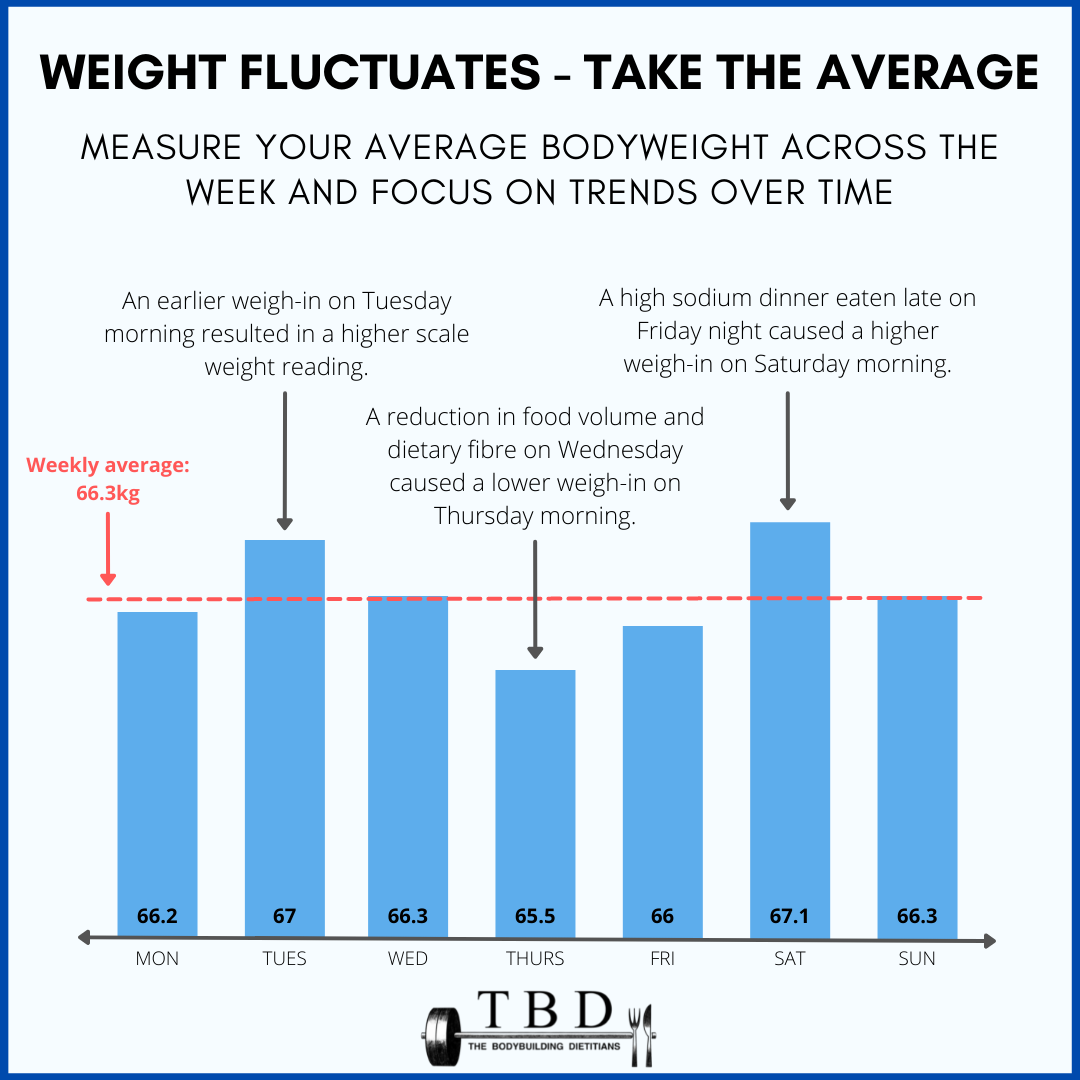

A change of 0.5 to 2 kg in a single day is usually due to water weight, sodium intake, hormonal shifts, or digestion—not fat gain or loss.
Focus on trends rather than single readings. Weekly averages and progress over two to four weeks give a much clearer picture of what’s really happening.
Tips and Tricks for More Accurate Tracking
Keep a weight log or use a tracking app. Pair weight tracking with waist measurements, energy levels, and fitness performance for better context. Take progress photos once a month and avoid weighing yourself when sick or dehydrated.
A helpful mindset tip is to reduce weighing frequency if the scale affects your motivation or mood. Health is more than a number.
Common Mistakes to Avoid
Many people weigh themselves on different surfaces, switch between multiple scales, or check weight right after heavy meals. Others let daily readings dictate their mood or forget that muscle gain can increase weight even while body fat decreases.
Avoid these habits to keep your measurements meaningful and stress-free.
Weight Is Only One Health Indicator
Body weight does not reveal muscle-to-fat ratio, strength improvements, endurance gains, or overall wellness. Use weight as one data point among many, not the final judgment on your health.
Final Thoughts
Measuring body weight properly is a small daily habit with a big impact. When done consistently and correctly, it becomes a tool for awareness rather than stress.
Be patient, stay consistent, and remember: progress is measured over time, not overnight.
If you want, I can also create a print-ready A4 infographic, a single-page visual guide, or optimize this blog for SEO and health-focused websites.