In today’s fast-paced world, multitasking feels unavoidable. Emails arrive during meetings, messages pop up while you’re working on deadlines, and personal responsibilities compete with professional ones. It’s no surprise that multitasking often leads to stress, mental fatigue, and irritability.
But staying calm while multitasking isn’t about becoming faster or doing everything at once. It’s about managing your attention, expectations, and nervous system so your brain doesn’t feel overwhelmed. Let’s explore practical, psychology-backed ways to multitask without losing your calm.
Why Multitasking Feels So Stressful
Contrary to popular belief, the human brain doesn’t truly multitask. It rapidly switches between tasks, which increases cognitive load and releases stress hormones like cortisol. Over time, this leads to mental exhaustion, reduced focus, and emotional reactivity.
The goal, then, is not to eliminate multitasking—but to approach it calmly and consciously.
1. Start With Clear Priorities
Stress often comes from not knowing what to focus on first. When everything feels urgent, your brain stays in a constant alert mode.
Before starting:
- List all the tasks on your plate
- Rank them by importance and urgency
- Choose one or two high-impact tasks to focus on first
Clarity instantly reduces anxiety and gives your mind a sense of direction.
2. Replace Multitasking With Task Batching
Instead of juggling unrelated tasks, try task batching—grouping similar activities together.
For example:
- Respond to emails in one dedicated block
- Schedule calls back-to-back
- Do planning and creative work separately
This reduces mental switching and helps your brain stay calm and focused.
3. Regulate Your Nervous System With Breathing
When stress rises, your body enters fight-or-flight mode. A simple breathing technique can quickly bring calm.
Try box breathing:
- Inhale for 4 seconds
- Hold for 4 seconds
- Exhale for 4 seconds
- Hold for 4 seconds
Repeat for a few cycles.
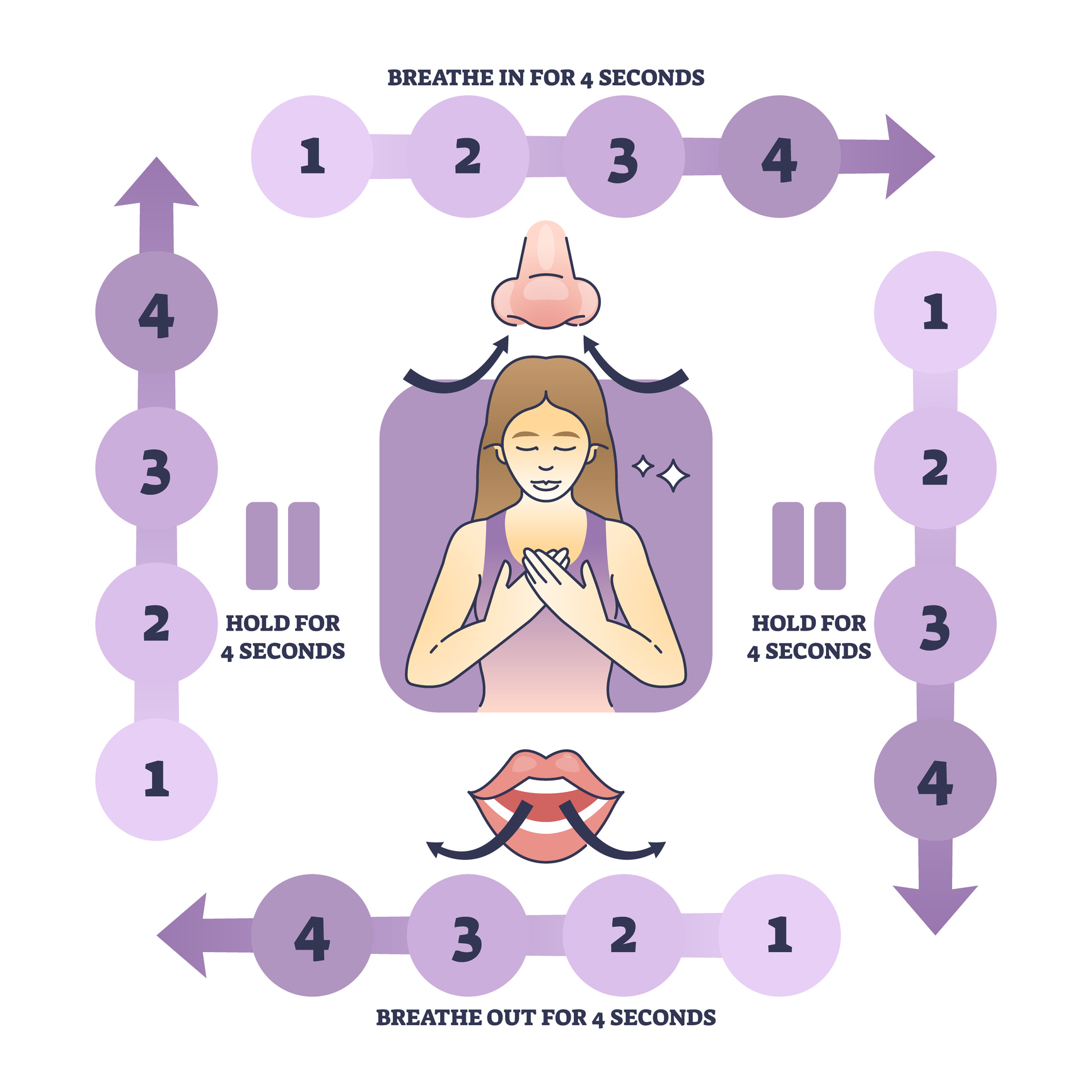

This activates the parasympathetic nervous system, signaling safety and control to your brain.
4. Reduce Mental Load Using External Tools
Your mind stays calmer when it doesn’t have to remember everything.
Use tools like:
- To-do lists or digital planners
- Kanban or task boards
- Timers such as the Pomodoro technique
By offloading information, you free up mental space and reduce overwhelm.
5. Let Go of Perfectionism
Perfectionism is a hidden stress amplifier during multitasking. Trying to do everything flawlessly drains energy and increases anxiety.
Ask yourself:
“Does this need to be perfect—or simply good enough?”
Focusing on progress instead of perfection keeps you emotionally balanced.
6. Take Micro-Breaks Between Tasks
You don’t need long breaks to stay calm—micro-pauses work wonders.
Between tasks:
- Take 3 slow breaths
- Stretch your shoulders and neck
- Close your eyes for 30 seconds
These brief resets prevent stress from piling up throughout the day.
7. Reframe Stress as Information, Not a Threat
When multitasking becomes overwhelming, avoid self-criticism. Instead of thinking:
“I can’t handle this.”
Reframe it as:
“My brain needs better structure and pacing.”
This mindset shift reduces emotional reactivity and restores a sense of control.
8. Use Your Body to Anchor Calm
Your posture sends powerful signals to your brain.
Check in with your body:
- Sit upright
- Relax your shoulders
- Unclench your jaw
- Keep your feet grounded
A relaxed body posture tells your nervous system that you’re safe, helping your mind stay calm.
Final Thoughts
Staying calm while multitasking isn’t about speed—it’s about clarity, pacing, and self-regulation. When your nervous system feels balanced, your focus improves naturally, and multitasking becomes far more manageable.
Calm isn’t something you wait for it’s something you practice.