A practical, safe, and awareness-focused guide
Checking your eyesight at home can help you spot early warning signs, monitor changes, and decide when it’s time to see an eye specialist. While home checks are not a replacement for a professional eye exam, they’re a powerful first step toward protecting your vision.
This guide walks you through simple at-home eyesight tests, along with tips, tricks, and visual-friendly infographic ideas you can easily follow.
🏠 Why Check Your Eyesight at Home?
Many vision problems develop slowly, making them easy to ignore. Regular self-checks help you:
- Detect vision changes early
- Reduce eye strain and digital fatigue
- Monitor progress if you already wear glasses
- Stay proactive about eye health
Think of it as a health check-up for your eyes.
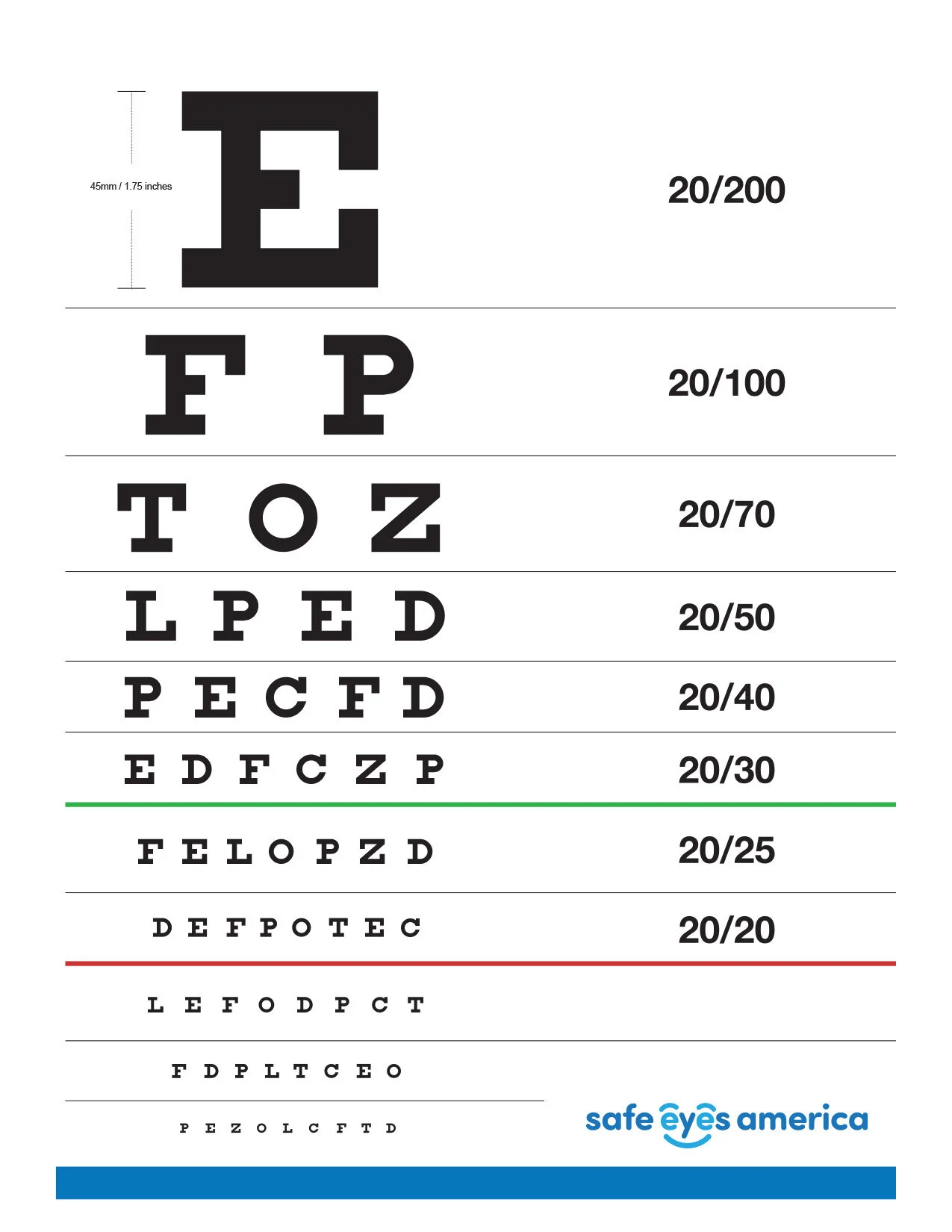
📏 1. Distance Vision Test (Snellen Chart Method)
You can download the document below:
Credit : allaboutvision.com
How to do it:
- Download or display a Snellen eye chart
- Place it at 20 feet (6 meters) from where you stand
- Cover one eye at a time
- Read the smallest line you can clearly see
What it tells you:
- Difficulty reading small letters may indicate myopia (nearsightedness) or general vision decline
Tip:
💡 Use good lighting and avoid squinting—squinting temporarily sharpens vision and can give false results.
📱 2. Near Vision Test (Reading Test)
How to do it:
- Hold a book or phone 14–16 inches away
- Read normal-sized text
- Test one eye at a time
What it tells you:
- Struggling with close text could signal presbyopia (common after age 40)
Trick:
📌 If you instinctively move text farther away, your near vision may be weakening.
🔁 3. Eye Focus & Switching Test
How to do it:
- Hold your thumb 10 inches from your face
- Focus on it for 10 seconds
- Shift focus to an object far away
- Repeat 5–6 times
What it tells you:
- Eye fatigue or discomfort may indicate focus or accommodation issues
Tip:
🧠 Healthy eyes should switch focus smoothly and quickly.
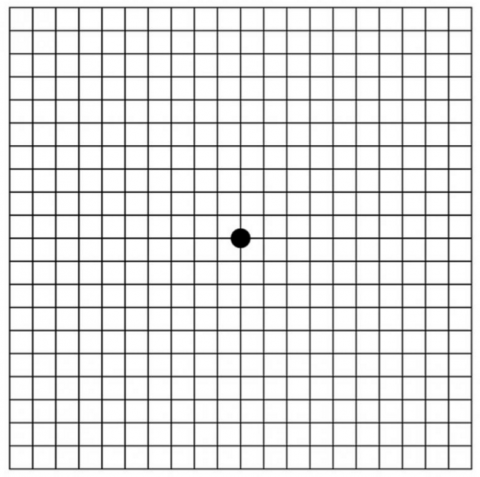
🎯 4. Amsler Grid Test (For Central Vision)
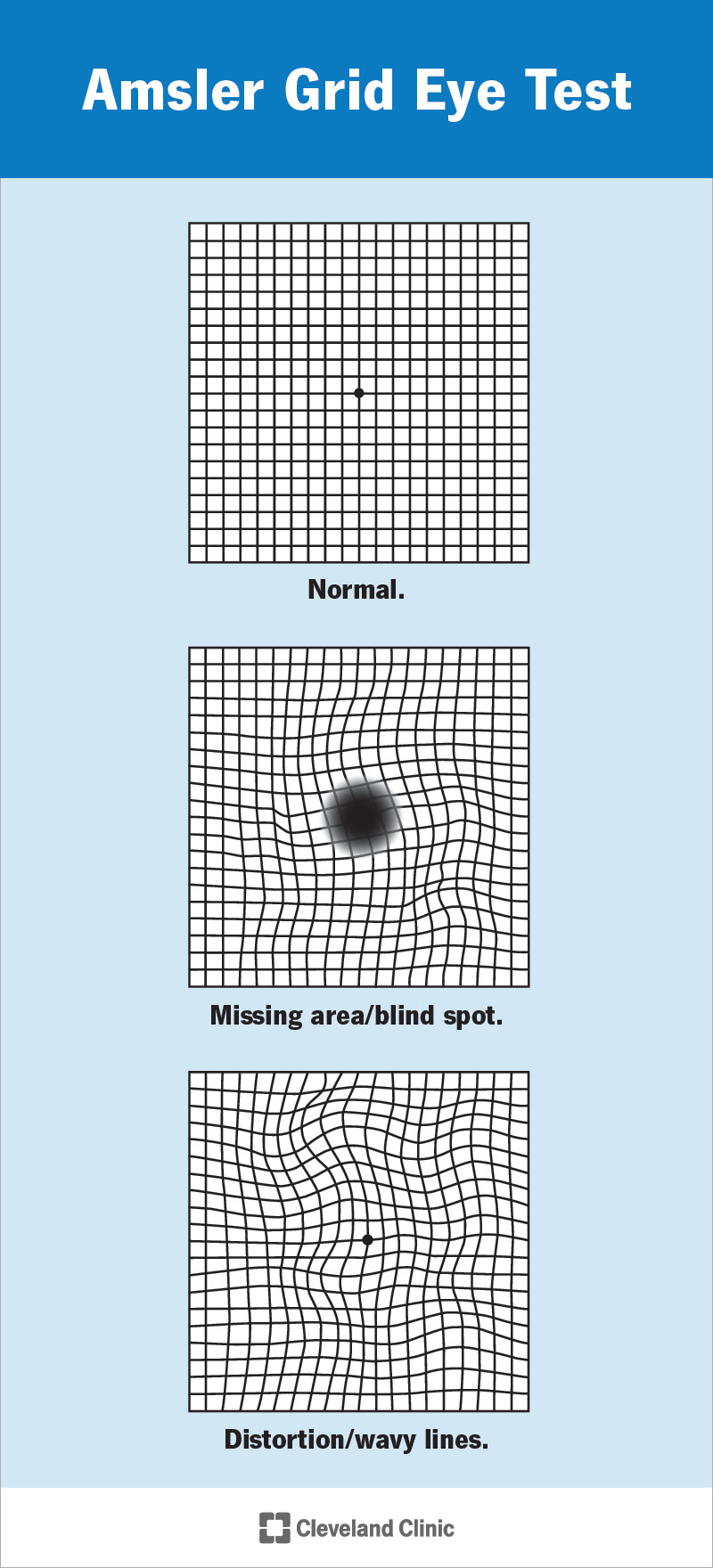
How to do it:
- Look at an Amsler grid
- Cover one eye
- Focus on the center dot
- Notice if lines look wavy, blurred, or missing
What it tells you:
- Distortion may signal macular or retinal issues
⚠️ If lines appear bent or broken, consult an eye doctor promptly.
👁️🗨️ 5. Peripheral (Side) Vision Test
How to do it:
- Look straight ahead
- Slowly move your fingers in from the side
- Note when you can see them without turning your head
What it tells you:
- Reduced side vision may point to glaucoma or nerve issues
🔍 6. Eye Alignment & Dominance Check
Alignment Test:
- Focus on a distant object
- Cover one eye, then switch
- Object should stay in the same position
Dominance Test:
- Make a small triangle with your hands
- Look at a distant object
- Close one eye at a time
- The eye that keeps the object centered is your dominant eye
💡 Everyday Signs Your Eyesight May Be Changing


Watch out for:
- Frequent headaches
- Eye strain or burning
- Blurred or double vision
- Difficulty driving at night
- Increased sensitivity to light
🧠 Smart Tips & Tricks for Accurate Home Testing
✔ Test at the same time of day
✔ Avoid testing when tired or sick
✔ Clean your glasses before testing
✔ Don’t memorize charts—change formats
✔ Compare results every 3–6 months
🧘 Eye Care Habits to Improve & Protect Vision
- Follow the 20-20-20 rule
(Every 20 minutes, look 20 feet away for 20 seconds) - Blink consciously when using screens
- Stay hydrated
- Eat eye-friendly foods (leafy greens, carrots, omega-3s)
- Get enough sleep
📌 When Home Tests Are Not Enough
Home checks are screening tools, not diagnoses. You should see an eye specialist if:
- Vision changes suddenly
- You see flashes, floaters, or shadows
- One eye performs much worse than the other
- Symptoms persist for more than a few days
📝 Final Thoughts
Checking your eyesight at home is simple, empowering, and preventive. Just a few minutes every few months can help you stay aware of your visual health and act early when something feels off.
Your eyes work hard for you every day—give them the attention they deserve 👁️✨