Physical illnesses tend to follow certain patterns across different stages of life. While anyone can develop almost any disease at any age, biological development, lifestyle, immunity, and environmental exposure make some illnesses more common during specific age groups.
Understanding these age-based physical illness categories helps with early detection, prevention, and timely medical care.
1. Infancy & Early Childhood (0–5 years)
At this stage, the immune system is still developing. Children are more vulnerable to infections, nutritional deficiencies, and congenital conditions.
Common Physical Illnesses and Symptoms
| Illness Category | Examples | Common Symptoms |
|---|---|---|
| Infectious diseases | Cold, flu, pneumonia | Fever, cough, runny nose, breathing difficulty |
| Gastrointestinal disorders | Diarrhea, vomiting | Loose stools, dehydration, abdominal pain |
| Nutritional deficiencies | Iron or vitamin D deficiency | Poor growth, fatigue, delayed milestones |
| Congenital conditions | Heart defects, metabolic disorders | Cyanosis, poor feeding, developmental delays |
2. Childhood (6–12 years)
School-age children experience increased exposure to peers, physical activity, and structured routines, influencing illness patterns.
Common Physical Illnesses and Symptoms
| Illness Category | Examples | Common Symptoms |
|---|---|---|
| Respiratory conditions | Asthma, bronchitis | Wheezing, shortness of breath, chest tightness |
| Skin conditions | Eczema, fungal infections | Itching, redness, rashes |
| ENT disorders | Tonsillitis, ear infections | Sore throat, ear pain, fever |
| Orthopedic issues | Poor posture, minor fractures | Joint pain, swelling, difficulty moving |
3. Adolescence (13–18 years)
Rapid growth, hormonal changes, and lifestyle experimentation shape health risks during adolescence.
Common Physical Illnesses and Symptoms
| Illness Category | Examples | Common Symptoms |
|---|---|---|
| Hormonal & growth-related | Growth pains, acne | Joint pain, skin breakouts |
| Nutritional issues | Anemia, eating-related disorders | Fatigue, dizziness, weakness |
| Sports injuries | Sprains, ligament injuries | Pain, swelling, reduced mobility |
| Menstrual-related conditions (girls) | Dysmenorrhea | Abdominal cramps, back pain, nausea |
4. Young Adulthood (19–40 years)
This phase is marked by peak physical capacity, but lifestyle-related conditions and stress-related illnesses begin to emerge.
Common Physical Illnesses and Symptoms
| Illness Category | Examples | Common Symptoms |
|---|---|---|
| Lifestyle-related conditions | Obesity, hypertension (early) | Weight gain, headaches, fatigue |
| Digestive disorders | Acid reflux, IBS | Heartburn, bloating, abdominal discomfort |
| Musculoskeletal issues | Back pain, repetitive strain injuries | Muscle stiffness, chronic pain |
| Reproductive health issues | PCOS, infertility-related problems | Irregular cycles, pelvic pain |
5. Middle Adulthood (41–60 years)
Chronic diseases become more prevalent as metabolism slows and long-term lifestyle habits take effect.
Common Physical Illnesses and Symptoms
| Illness Category | Examples | Common Symptoms |
|---|---|---|
| Cardiovascular diseases | Hypertension, heart disease | Chest pain, breathlessness, dizziness |
| Metabolic disorders | Type 2 diabetes | Excessive thirst, frequent urination, fatigue |
| Joint & bone disorders | Arthritis | Joint stiffness, swelling, pain |
| Vision & hearing decline | Presbyopia, hearing loss | Blurred vision, difficulty hearing |
6. Older Adults / Elderly (60+ years)
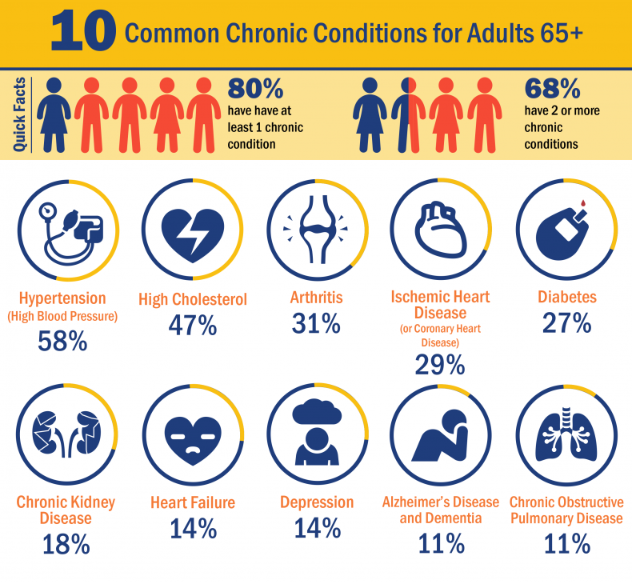
Aging leads to reduced immunity, organ degeneration, and higher vulnerability to chronic and degenerative illnesses.
Common Physical Illnesses and Symptoms
| Illness Category | Examples | Common Symptoms |
|---|---|---|
| Degenerative diseases | Osteoporosis, osteoarthritis | Fragile bones, joint pain, fractures |
| Neurological conditions | Parkinson’s disease, stroke | Tremors, weakness, poor coordination |
| Cardiopulmonary disorders | Heart failure, COPD | Shortness of breath, fatigue |
| Sensory decline | Cataracts, hearing loss | Vision impairment, communication difficulty |
Why Age-Based Health Awareness Matters
- Early detection improves treatment outcomes
- Preventive care can reduce long-term complications
- Lifestyle adjustments can delay or prevent many chronic diseases
- Targeted healthcare planning improves quality of life at every stage
Final Thoughts
Physical illnesses evolve as we grow, reflecting changes in our bodies, environments, and habits. While age influences risk, healthy nutrition, regular exercise, timely medical checkups, and stress management remain powerful tools for maintaining physical well-being throughout life.