Measuring blood pressure correctly is one of the most important habits you can develop for long-term health. Incorrect posture, wrong cuff size, or even talking during the measurement can give misleading results. This guide explains the right way to measure blood pressure, along with practical tips, common mistakes, and clear visual infographics to help you get accurate readings every time.
Why Proper Blood Pressure Measurement Matters
Blood pressure naturally fluctuates throughout the day. A single incorrect reading can cause unnecessary worry or mask a real health concern. Measuring it properly helps you track heart health accurately, detect hypertension early, avoid false readings, and share reliable data with your doctor.
What You Need Before You Start
You’ll need a validated digital blood pressure monitor (upper-arm monitors are preferred), the correct cuff size for your arm, a quiet and comfortable place, and five minutes of uninterrupted rest.

Step-by-Step: How to Measure Blood Pressure Correctly
Prepare Your Body
Avoid caffeine, smoking, or exercise for at least 30 minutes before measuring. Empty your bladder and sit calmly to allow your body to settle.
Sit the Right Way
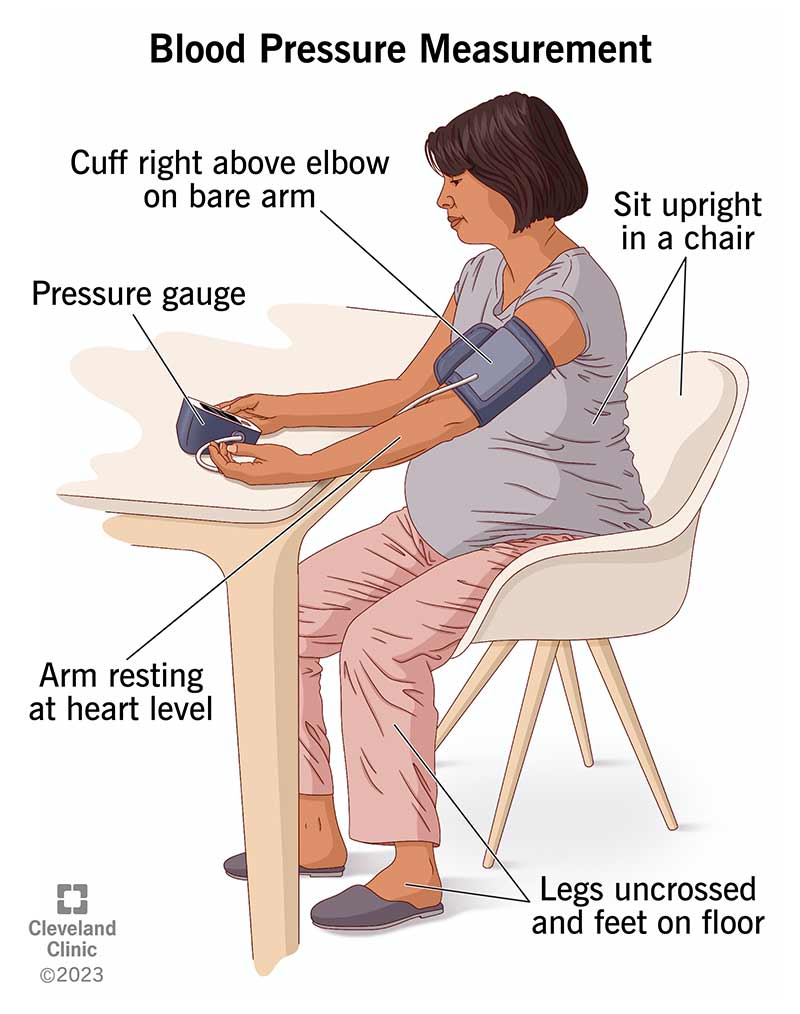
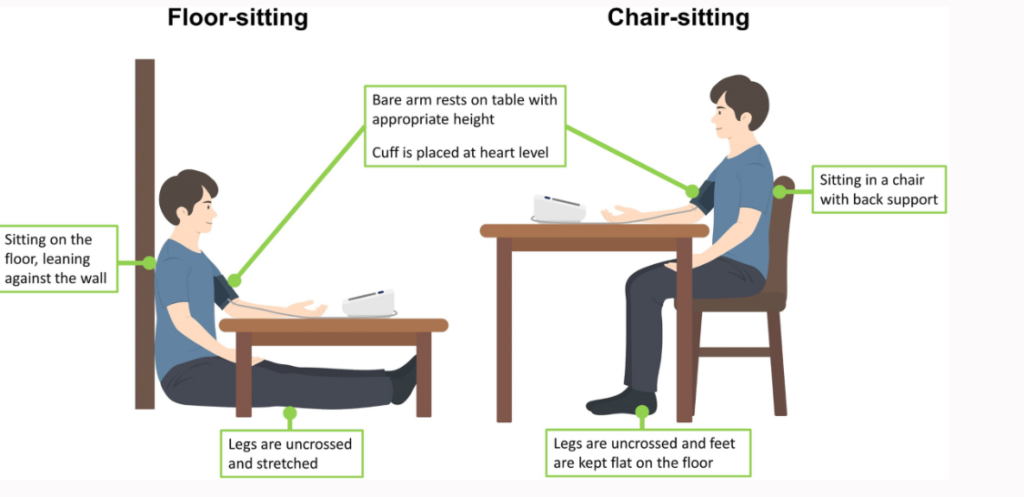
Sit on a chair with your back supported. Keep both feet flat on the floor without crossing your legs. Rest your arm on a table so that it stays at heart level.
Place the Cuff Correctly
Wrap the cuff directly on bare skin, not over clothing. Position it about 2–3 cm above the elbow. The cuff should feel snug but not tight.
Stay Still and Silent
Do not talk, move, or look at your phone while the reading is being taken. Breathe normally and stay relaxed.
Take the Reading
Press the start button and wait until the device finishes measuring. Record the systolic pressure, diastolic pressure, and pulse rate.
Take Multiple Readings for Accuracy
For the most reliable results, take two readings with a one-minute gap between them. Use the average of the two readings. Try to measure your blood pressure at the same time every day.

Common Mistakes That Lead to Wrong Readings
Many inaccurate readings happen because people measure blood pressure immediately after physical activity, use the wrong cuff size, talk during measurement, sit with crossed legs, or place the cuff over clothing.
Tips and Tricks for More Accurate Results
Measure blood pressure in the morning before taking medication if your doctor recommends it. Always use the same arm for consistency. Sit quietly for five minutes before measuring. Maintain a blood pressure log or app to track trends. If you feel anxious, take a few slow deep breaths before starting.
Understanding Your Blood Pressure Numbers
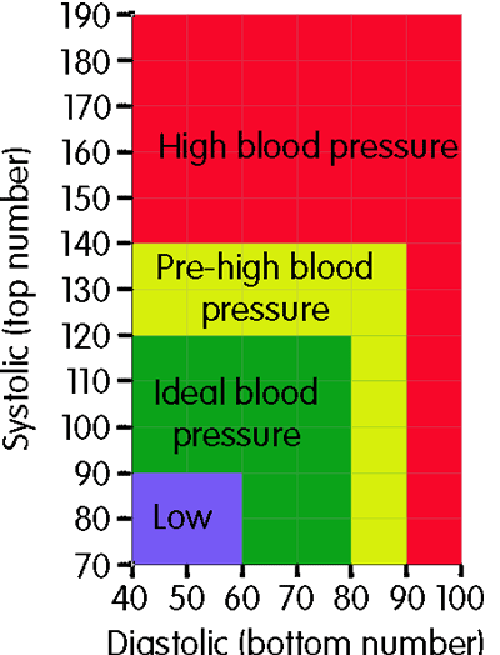
A normal reading is around 120/80 mmHg. Readings between 120–129 systolic and below 80 diastolic are considered elevated. Consistent readings of 130/80 mmHg or higher indicate high blood pressure. One high reading alone does not mean hypertension—patterns over time are what matter most.
When to Consult a Doctor
You should consult a doctor if your readings are consistently high or low, if you feel symptoms such as dizziness, fainting, or chest pain, or if your home readings differ significantly from those taken at a clinic.
Final Thoughts
Measuring blood pressure properly is a simple daily habit with a powerful impact on long-term health. Accuracy comes from correct technique, consistency, and awareness—not just from the device itself. When done right, home monitoring helps you make informed lifestyle choices and supports better medical decisions.
Tips When Choosing a Blood Pressure Monitor
✅ Prefer upper-arm cuff models — These are more accurate than wrist or finger types for most people.
✅ Check for clinical validation — Devices tested against standards (e.g., AHA, VDL lists) give more trustworthy readings.
✅ Features to look for:
• Bluetooth/app connectivity for tracking
• Memory for multiple users
• Irregular heartbeat detection
• Easy-to-read display
Best Brands of pressure machine which you can trust
𝗢𝗺𝗿𝗼𝗻
𝗕𝗲𝘂𝗿𝗲𝗿