Artificial Intelligence (AI) is no longer limited to data scientists or engineers. Across the corporate world, professionals in leadership, management, marketing, HR, finance, operations, and legal roles are increasingly expected to understand and apply AI in meaningful ways.
However, AI learning is not one-size-fits-all. The right AI course depends heavily on your role, responsibilities, and business goals. This article categorizes AI courses profession-wise, helping corporate professionals choose learning paths that are relevant, practical, and career-enhancing.
AI for Executives & Senior Leaders (CXOs, Directors, VPs)

Senior leaders don’t need to code AI models but they must understand how AI drives business value.
Primary Objectives
- Strategic decision-making using AI insights
- Identifying high-impact AI use cases
- Managing AI risks, ethics, and governance
Key Learning Areas
- AI Strategy & Roadmapping
- AI for Competitive Advantage
- Responsible and Ethical AI
- ROI and Business Impact of AI
Outcome
Executives gain the confidence to lead AI initiatives, make informed investments, and align AI adoption with organizational goals.
AI for Managers & People Leaders (Project Managers, Scrum Masters, Delivery Heads)

Managers sit at the intersection of strategy and execution. AI helps them improve delivery predictability and team effectiveness.
Primary Objectives
- Enhance productivity and planning accuracy
- Improve decision-making with data
- Optimize team performance
Key Learning Areas
- AI in Project & Program Management
- AI for Forecasting and Estimation
- AI-Assisted Decision Support
- People and Performance Analytics
Outcome
Managers learn to use AI as a productivity multiplier, not a replacement for leadership judgment.
AI for Software Engineers & IT Professionals
For technical professionals, AI courses focus on building and deploying real-world systems.
Primary Objectives
- Develop AI-powered applications
- Deploy scalable and reliable AI solutions
- Maintain AI systems in production
Key Learning Areas
- Machine Learning & Deep Learning
- Generative AI and Large Language Models
- MLOps and AI Infrastructure
- Cloud-based AI Architectures
Outcome
Engineers become capable of designing, deploying, and maintaining production-grade AI solutions.
AI for Data Analysts & Data Scientists

4
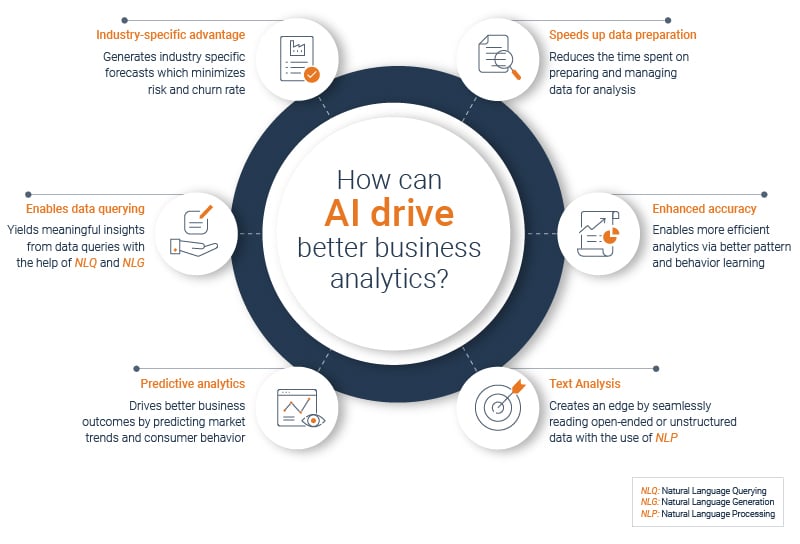
AI enhances the analyst’s ability to move from reporting to prediction and prescription.
Primary Objectives
- Extract insights from complex datasets
- Build predictive and prescriptive models
- Support business decision-making
Key Learning Areas
- Predictive & Prescriptive Analytics
- Machine Learning Model Development
- AI-powered Data Visualization
- Business Intelligence with AI
Outcome
Professionals transform data into actionable insights and forecasts.
AI for Marketing, Sales & Customer Experience Professionals
AI is redefining how organizations acquire, engage, and retain customers.
Primary Objectives
- Personalize customer experiences
- Automate repetitive marketing and sales tasks
- Improve revenue predictability
Key Learning Areas
- Customer Segmentation & Personalization
- Recommendation Systems
- Chatbots and Virtual Assistants
- AI-driven Sales Forecasting
Outcome
Teams leverage AI to increase conversions, customer satisfaction, and lifetime value.
AI for HR, L&D & Talent Management Professionals
AI enables HR teams to move from intuition-led to evidence-based decisions.
Primary Objectives
- Improve hiring accuracy and efficiency
- Predict attrition and engagement risks
- Personalize learning and development
Key Learning Areas
- AI in Recruitment & Resume Screening
- HR Analytics & Workforce Planning
- Learning Personalization
- Bias, Fairness, and Ethical AI
Outcome
HR professionals make data-driven people decisions while ensuring fairness and compliance.
AI for Finance, Accounting & Risk Professionals
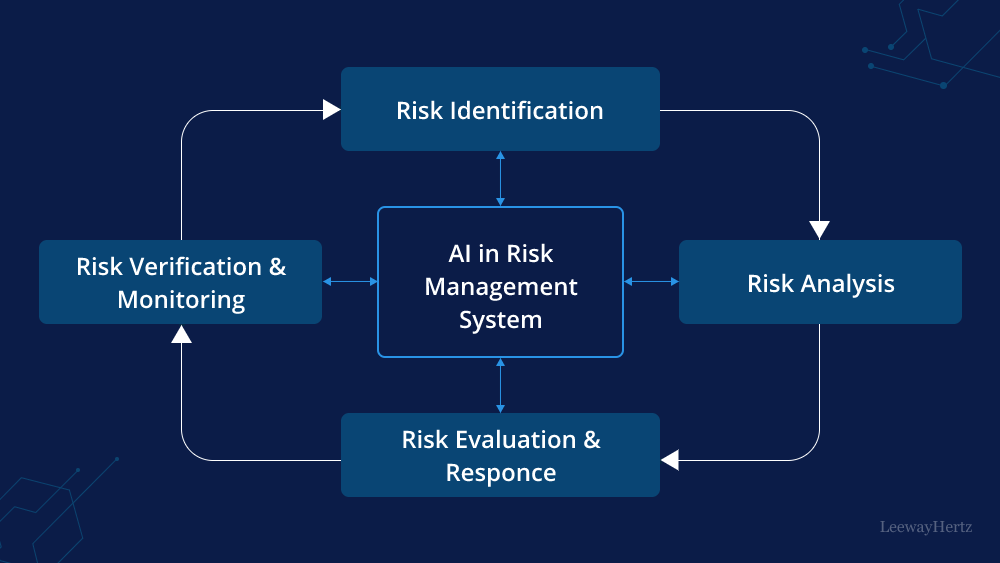
In finance, AI improves accuracy, speed, and risk mitigation.
Primary Objectives
- Strengthen forecasting and planning
- Detect fraud and anomalies
- Improve risk modeling
Key Learning Areas
- AI-based Financial Forecasting
- Fraud Detection Systems
- Credit Risk Modeling
- Algorithmic Decision Support
Outcome
Finance teams achieve greater accuracy, compliance, and risk control.
AI for Operations, Supply Chain & Manufacturing Professionals
AI helps operations teams reduce costs and increase reliability.
Primary Objectives
- Improve operational efficiency
- Reduce downtime and waste
- Optimize supply chain decisions
Key Learning Areas
- Demand Forecasting
- Predictive Maintenance
- Inventory and Logistics Optimization
- Process Automation
Outcome
Organizations run leaner, faster, and more resilient operations.
AI for Legal, Compliance & Policy Professionals
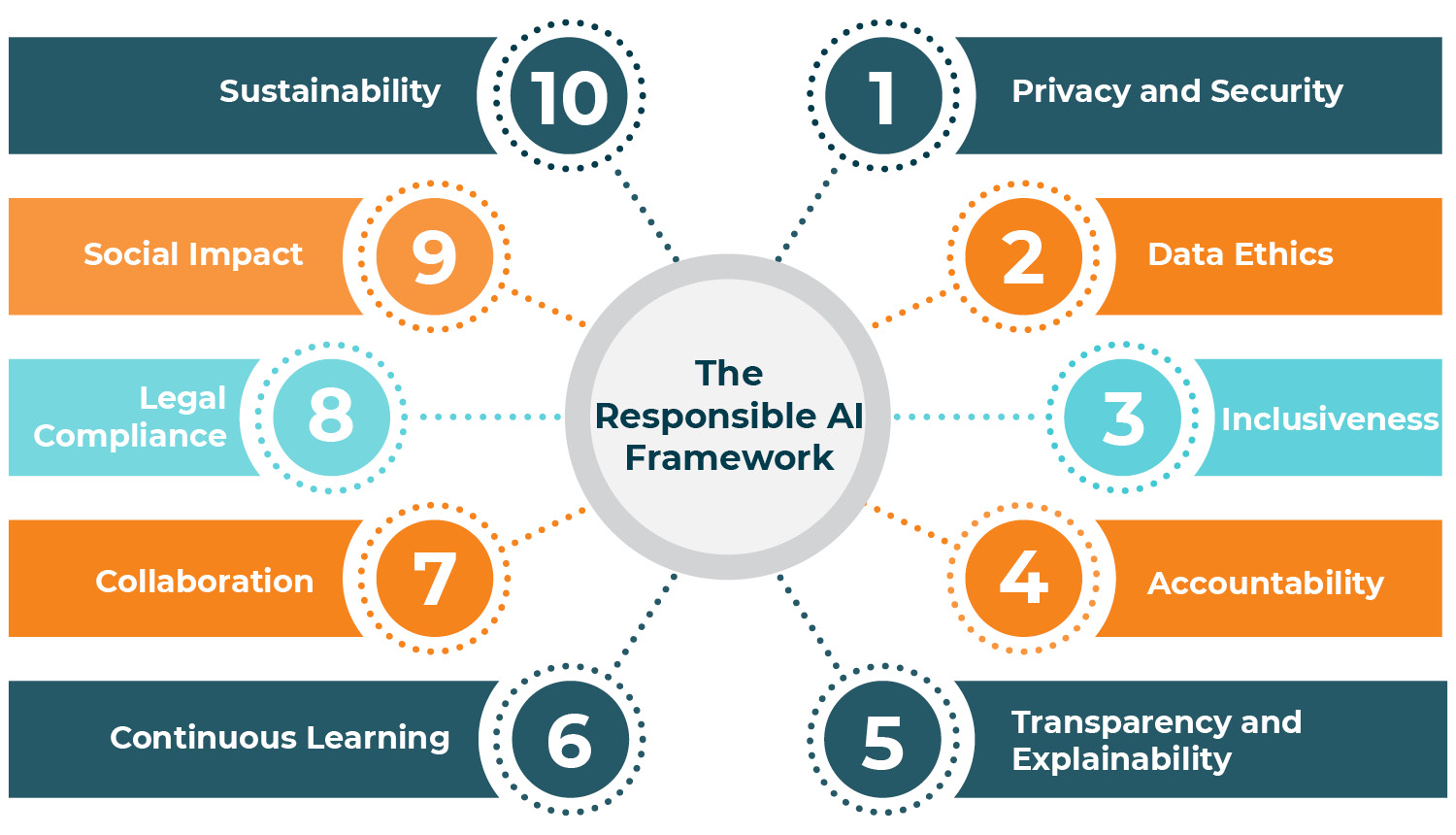
As AI adoption grows, so do legal and regulatory responsibilities.
Primary Objectives
- Ensure compliant and ethical AI usage
- Manage legal and reputational risk
- Support responsible AI governance
Key Learning Areas
- AI Regulations and Global Laws
- Data Privacy and Security
- Ethical AI Frameworks
- AI Risk and Audit
Outcome
Legal teams safeguard organizations through responsible and lawful AI adoption.
How to Choose the Right AI Course
A simple rule applies:
Learn AI at the depth required to make better decisions in your role.
| Role | Recommended Starting Point |
|---|---|
| Executives | AI Strategy & Business Impact |
| Managers / Scrum Masters | AI for Decision-Making & Productivity |
| Engineers | Machine Learning, GenAI, MLOps |
| Analysts | Predictive Analytics & ML |
| Marketing / Sales | AI Personalization & GenAI |
| HR | People Analytics & Ethical AI |
| Finance | Risk Modeling & Forecasting |
| Operations | Optimization & Predictive AI |
| Legal | AI Governance & Compliance |
Final Thought
AI is rapidly becoming a core professional skill, not a niche specialization. When learning paths are aligned with job roles, AI education becomes practical, impactful, and career-accelerating.